I declare our trip south to be a success! We visited with Young & Wyse, Moon Curser, Nk’Mip and See Ya Later Ranch. We’ll get to Meyer Family Vineyards another time.
 I found lots of gems to bring home. I picked-up a couple of bottles each at Young & Wyse and Mooncurser. And a case each at Nk’Mip and See Ya Later. We had great service at each location. It is refreshing to get out and find people that still care about the customer’s experience. We enjoyed a delicious lunch of venison burgers on Nk’Mip’s lovely patio. We just missed the rain that had been there and the rain that was to come so the patio was basically open long enough for us to enjoy lunch, perfection! The sun even shone a little bit – it does exist! (We’ve had a wet June in the Okanagan.)
It’s tough to pick one bottle to highlight but here we go!
The Highlights:

Young & Wyse Black Label 33*30*24*13 – 2009 $31.90
If you guessed the name of this wine represents the blend held within the bottle, well, you’d be correct! Our host opened this bottle just so we could have a taste. I got a lot of coffee and mocha off this blend of Merlot, Syrah, Cabernet Sauvignon, and Cabernet Franc. It is a nicely structured wine with a velvety mouth-feel and very tasty fruit notes interwoven on the finish. I look forward to enjoying this liquid puppy with BBQ at some point this summer.
Moon Curser Tempranillo – 2010 $29.00
I love, love, love the artwork that Moon Curser uses. It is a total perk that I also really enjoy their wines. This Tempranillo has some excellent red cherry and tobacco notes with some stewed fruit thrown in for added yummy-ness. (No, not literally added in!) The soft tannins make this a great sipper all on it’s own. It took all my efforts to ensure I only bought wine and not the really nifty bamboo tee that feature the very cool label designs.
Nk’Mip Qwam Qwmt Syrah – 2008 $34.99
Mmmm blueberries, plum, and vanilla. While this wine can age a few more years it is tasting absolutely great right now. It has a nice deep colour and hints of spicey and peppery notes. I could have brought 12 of these bad boys home but liked the other wines lots as well so the case slots had to be shared with other bottles of excellence like Riesling, Chardonnay, Pinot Noir, Cabernet Sauvignon, and a bottle of Merlot thrown in for good measure!
See Ya Later Ranch Ping – 2009 $27.99
I love Ping. It is a great bordeaux blend of Merlot, Cabernet Sauvignon and Cabernet Franc. Lots of blackberry and cherry can be found in this wine. The wine is aged in a combo of French and American oak for 19 months in a 60/40 split. It has just enough Cab Franc in the blend to give it some added complexity without taking away from the structure of the Cab Sauv and the fruitiness of the Merlot. I’d love to enjoy this bottle with some Lamb after another year or two – though it is perfectly drinkable right this moment.
My picking two blends and two single varietals was not on purpose, I just divvy out the cards where my taste buds tell me to. We did pick-up a fair amount of whites on this trip as well but since whites tend to be a what everyone talks about when the summer heat hits, I picked my red faves which also happen to be my overall faves.
 We came home after our day of wine tripping and I let my driver pick-out our dinner bottle. He chose our last bottle of Sparkling Rosé. I sabred the bottle in the back yard and we spent the evening relaxing!

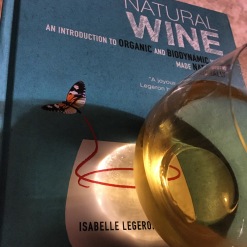 I’m going to come back to putting words down here regularly. Bear with me, it might be a bit of a rocky ride at first. I should have some good stories to share though. My plan this year is to start the WSET Diploma. My god, my stomach drops just typing that out. Scary shit. For those that know what that means, you know. For those that don’t, I’m basically going to crawl into wine books and bottles and not come out for a couple of years. I plan to study more than I’ve ever considered studying at university. Intense is likely the best word to sum it up.





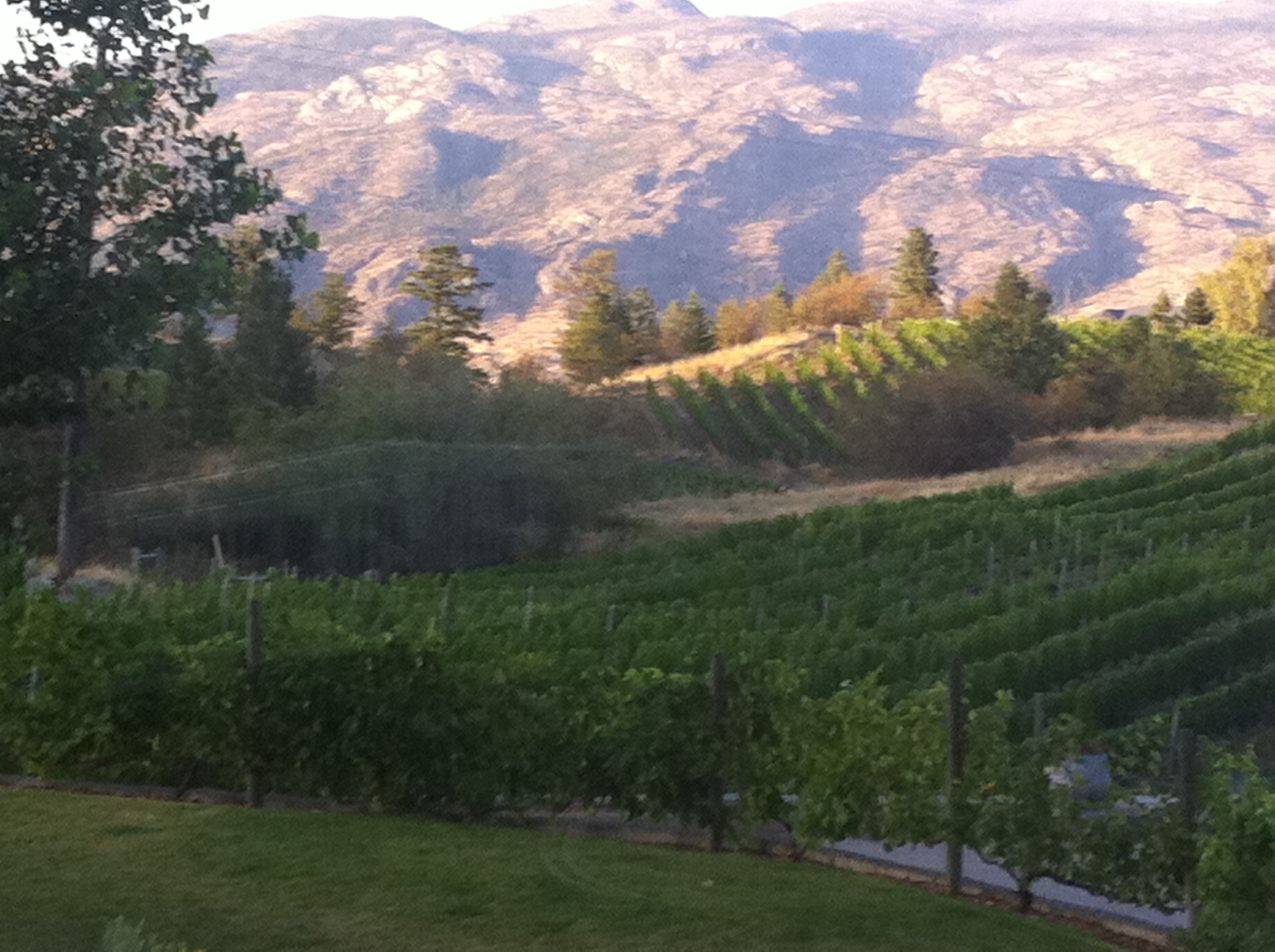
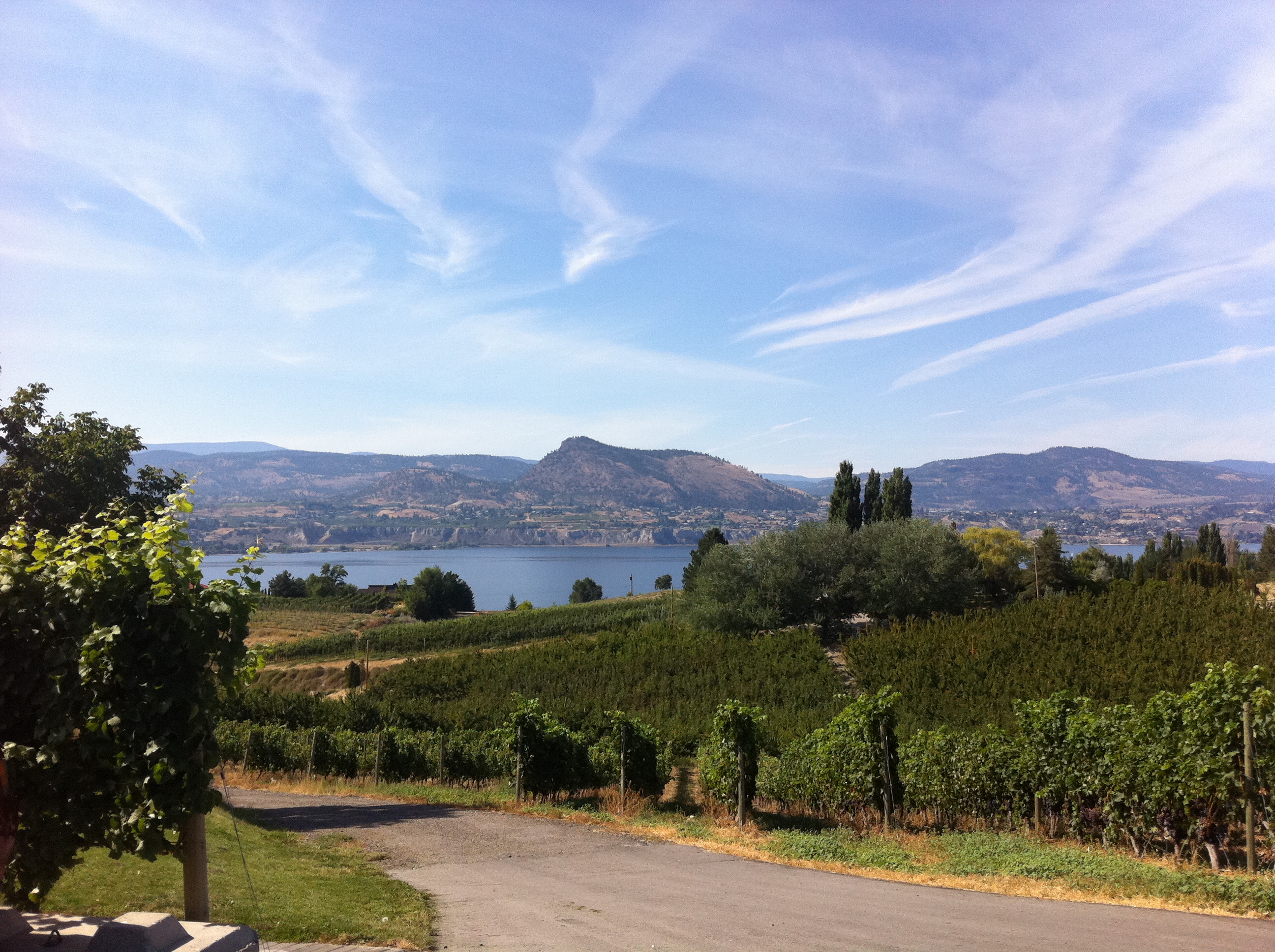

 ough do consider having some to avoid the number one vacation ruin-er: “Do you know where we are? Let’s ask for directions.”), than I am with how many wineries you visit in a day and how far you have to travel to visit said wineries. Visiting too many tasting rooms in one day can be more overwhelming that planning your trip. I recommend choosing three to start. You can allow a surprise stop here and there for winery names you might recognize, or for the quaint chateaux that catches your attention mid-route. When behind the tasting bar, I am never one to commend those who boast about visiting 20 wineries in two days. While that kind of trip can send you home with a trunk full of wine, I bet you’d be hard pressed to tell me at the end of those two days where the wines in your trunk are from and what makes them so special.
 majestic areas that offer intense natural beauty…or shopping. Why not check out whichever suits your fancy. I love to hike and do my best to add some in between the tastings. Plus, it helps with all that food I mentioned earlier.
 vine, wine & wander